
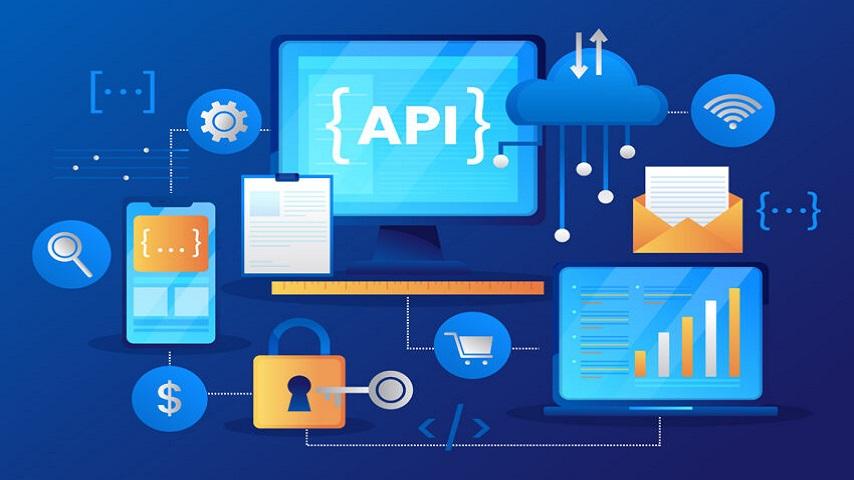
Manufacturing is evolving faster than ever, and companies that rely only on traditional processes often struggle with downtime, inefficiency, and rising operational costs. This is where IoT development (Internet of Things) becomes a game-changer. By connecting machines, sensors, and systems through the internet, manufacturers can collect real-time data, automate decisions, and improve performance across the entire production cycle.
In simple terms, IoT helps factories become smarter, faster, and more reliable—without compromising quality.
1. Real-Time Monitoring for Better Control
One of the biggest advantages of IoT in manufacturing is the ability to monitor operations in real time. IoT sensors can track:
- Machine temperature, vibration, pressure
- Production speed and output
- Material usage and inventory levels
- Energy consumption
With live dashboards and alerts, managers can spot problems instantly instead of discovering them after production losses occur.
2. Predictive Maintenance to Reduce Downtime
Unplanned breakdowns are one of the costliest issues in manufacturing. IoT development allows factories to move from reactive maintenance to predictive maintenance.
Instead of waiting for equipment to fail, IoT systems analyze sensor data and identify early warning signs like:
- Unusual vibration patterns
- Increased motor temperature
- Irregular power consumption
- Decreasing efficiency trends
This helps maintenance teams schedule repairs before breakdowns happen, leading to:
- Less downtime
- Longer equipment life
- Lower repair costs
- Better production continuity
3. Improved Productivity Through Automation
IoT enables automated workflows that reduce manual effort and improve consistency. For example:
- Automated machine adjustments based on sensor feedback
- Smart conveyors that regulate speed based on load
- Auto-reporting systems that update production data instantly
This reduces human dependency in repetitive tasks and allows staff to focus on more important activities like quality improvement and process optimization.
4. Enhanced Quality Control and Fewer Defects
In manufacturing, quality is everything. IoT devices can detect defects early by monitoring product parameters such as:
- Dimensions and weight
- Temperature and humidity during production
- Pressure and alignment settings
- Surface defects through smart vision systems
With IoT-based quality control, manufacturers can reduce:
- Product rejections
- Wastage of raw materials
- Customer complaints and returns
This also improves brand trust and customer satisfaction.
5. Better Supply Chain Visibility and Inventory Management
IoT development helps manufacturers track inventory movement more accurately. Smart systems can provide updates on:
- Raw material availability
- Work-in-progress items
- Finished goods dispatch
- Delivery status
With IoT-enabled inventory management, manufacturers avoid:
- Stock shortages
- Over-ordering
- Delayed production schedules
This leads to smoother operations and better demand planning.
6. Energy Optimization and Cost Savings
Energy costs are a major part of manufacturing expenses. IoT solutions help reduce power waste by monitoring energy usage in real time.
IoT systems can identify:
- Machines consuming abnormal energy
- Peak-hour power usage patterns
- Idle equipment running unnecessarily
This allows factories to implement energy-saving actions like automated shutdowns, load balancing, and efficient scheduling—resulting in reduced electricity bills.
7. Increased Workplace Safety and Compliance
Safety is a top priority in industrial environments. IoT development supports safety by using sensors and smart devices to monitor:
- Gas leaks and air quality
- Fire risks and temperature rise
- Machine guarding and operational hazards
- Worker movement in restricted zones
IoT can also send instant alerts to supervisors during unsafe conditions, helping prevent accidents and ensuring compliance with safety standards.
8. Faster Decision-Making with Data Analytics
Manufacturers generate huge amounts of data, but without IoT, most of it goes unused. IoT development allows this data to be collected, organized, and analyzed to support faster decisions.
With IoT analytics, manufacturers can:
- Identify bottlenecks in production
- Compare machine efficiency across shifts
- Predict production output more accurately
- Improve planning and scheduling
This makes decision-making more reliable and less dependent on guesswork.
9. Remote Operations and Smart Factory Management
IoT makes it possible to manage and monitor factories remotely. With cloud-based platforms, managers can access production status from anywhere using mobile or desktop devices.
Remote access helps in:
- Multi-location factory monitoring
- Quick troubleshooting
- Faster approvals and process changes
- 24/7 operational tracking
This is especially useful for industries running continuous operations or multiple plants.
10. Scalability and Future-Ready Manufacturing
One of the long-term benefits of IoT development is scalability. IoT systems can grow with your manufacturing business.
Whether you’re adding:
- New production lines
- More machines
- New warehouses
- Advanced automation systems
IoT can integrate these expansions without needing a complete system redesign. This ensures your factory remains competitive and ready for future technology upgrades.
Conclusion
IoT development is not just a trend—it’s becoming a necessity for modern manufacturing industries. From reducing downtime and improving productivity to enhancing quality and safety, IoT brings measurable improvements across operations.
How Custom Hardware Is Revolutionizing Home Appliance Energy Monitoring
Boosting Efficiency: Software Solutions for Modern Manufacturing

 English
 Arabic
 French
 Spanish
 Portuguese
 Deutsch
 Dutch
Dutch
 Italiano
 Russian
 Romaian
 Portuguese (Brazil)
 Greek
Greek