
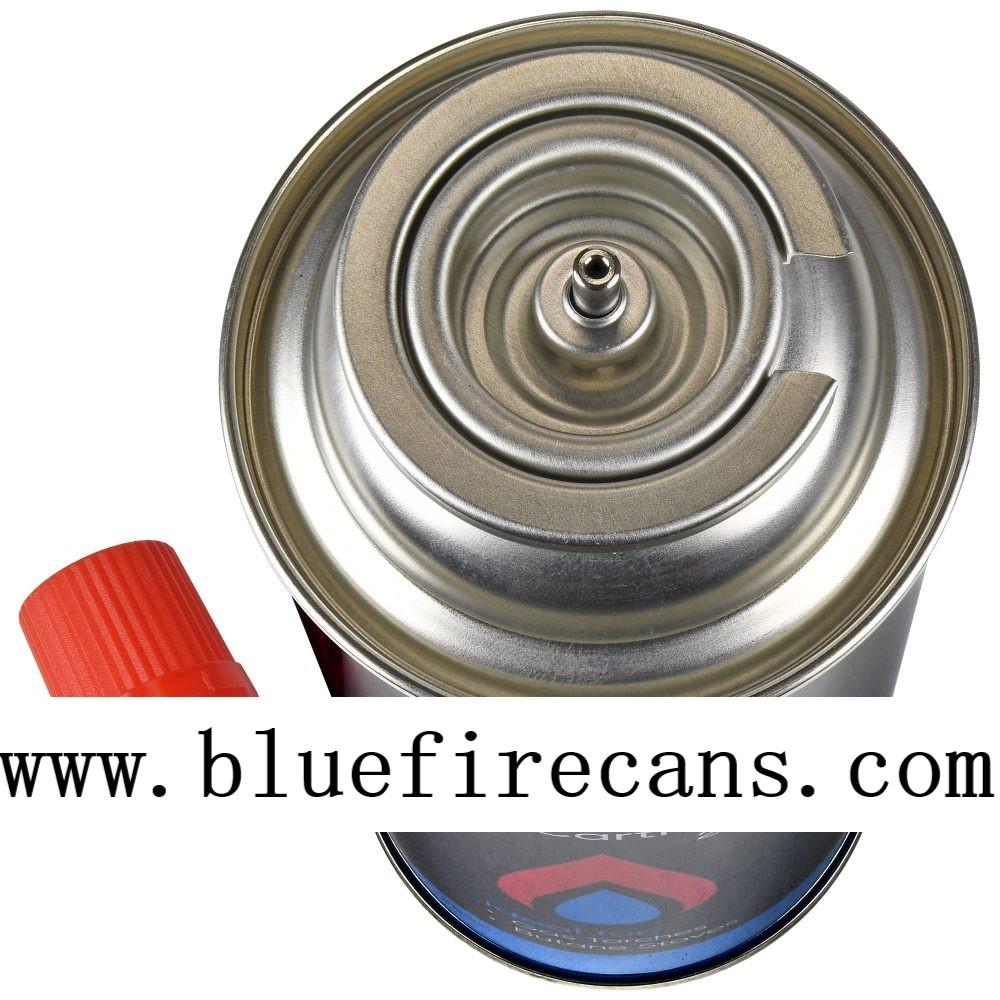
Small defects can travel a long way once a component reaches a retail shelf. At the heart of modern manufacturing the Camping Gas Cartridge Factory combines process design craftsmanship and routine checks to stop small problems from becoming serious hazards. For consumers who rely on compact fuel containers for outdoor cooking and emergency kits knowing how a plant keeps seals reliable adds confidence about what they carry.
The approach begins before any metal is pressed. Engineers set tight criteria for incoming coils and sheets so thickness and surface quality stay within narrow margins. When feedstock varies the forming tools see different forces and seams can change. By sampling lots and keeping clear acceptance limits the factory lowers the chance that a bad batch reaches assembly.
Forming stations are tuned for repeatable geometry. Dies and rollers work within narrow tolerances so wall thickness and seam overlap stay uniform. Where machines handle repetitive work technicians monitor vibration and tool wear because subtle shifts can change how parts meet. Regular tool swaps and scheduled maintenance prevent gradual drift that would otherwise show up only later as micro leaks.
Valve assembly draws special focus because the valve is both a functional interface and a primary barrier. Workstations use seating fixtures and torque controlled drivers so each valve receives consistent force. Calibration logs and quick checks on tool output make it simple to spot tools that deviate from the target. When human steps remain, documented sequences and cross checks reduce the chance of missed steps.
Seal material choice is a design decision that factory testing validates. Elastomers and gasket compounds respond differently to compression cycles temperature swings and exposure to the fluid inside the container. Candidate materials undergo repeated compression tests soak trials and aging simulations. Selecting a material that holds shape without excessive set or cracking gives the assembly a longer effective life in normal use.
Leak detection is layered. A single test rarely suffices for high reliability. Initial pressure hold tests catch obvious failures while more sensitive methods such as bubble tanks or tracer gas checks reveal tiny defects. Some plants apply localized checks at seams and valve junctures because those locations face the highest stress. Testing in a controlled environment reduces false positives caused by ambient temperature or pressure shifts.
Statistical sampling and trend analysis convert inspection data into process signals. Rather than inspecting every millimeter of every part the production team tracks capability metrics and control charts. If variance grows at a particular station the line pauses for diagnosis. That focus on trends keeps the line efficient while giving engineers a clear trigger for intervention.
Traceability links finished units to raw material lots tool calibration records and operator sign offs. When a field issue appears traceability reduces the scope of investigation and speeds corrective actions. Accurate records mean fixes are targeted instead of broad, lowering waste and limiting disruption to supply.
Packaging and handling complete the protection chain. Even a sealed unit can suffer a dent or scrape during transport that compromises integrity. Packaging tests simulate drop and stacking conditions so finished goods reach distribution without stress. Storage protocols control humidity and temperature to avoid slow corrosion that later weakens seals.
Culture matters as much as equipment. Training programs emphasize daily checks immediate reporting and clear escalation paths. Operators who know why a step exists are more likely to spot subtle changes. Incentives for early reporting and a non punitive feedback loop turn small observations into preventive maintenance opportunities.
External audits and periodic third party reviews provide an independent lens on the system. Audits often highlight opportunities for tighter calibration or better record keeping that internal routines miss. When regulators or trade groups raise expectations manufacturers that embrace ongoing improvement make their processes more resilient.
For users the takeaway is practical. Attention to material acceptance forming control valve seating seal selection layered leak testing and traceability are the building blocks that reduce field failures. A factory that documents those practices and makes them part of daily routine gives consumers a clearer path from design to safe use. If you want manufacturer level detail or product support visit https://www.bluefirecans.com/ .

 English
 Arabic
 French
 Spanish
 Portuguese
 Deutsch
 Turkish
 Dutch
Dutch
 Italiano
 Russian
 Romaian
 Greek
Greek