
Table of Contents
-
Introduction
-
Benefits of Installing a Lift for Home
-
Home Lift Types Explained
-
Installation Process Step by Step
-
Cost Breakdown and Pricing Factors
-
Safety and Compliance
-
Choosing a Reliable Installer
-
Design and Space Planning
-
Maintenance and Lifespan
-
Final Thoughts
-
FAQs
Why Installing a Lift for Home Is Becoming So Popular
Homes are changing—and so are the people living in them. Multi-story houses are common, families are staying together longer, and many homeowners want to age comfortably without moving.
A lift for home solves all of that in one smooth ride.
It’s not just about convenience. A home lift:
-
Improves daily mobility
-
Reduces fall risks
-
Adds long-term property value
-
Makes homes accessible for seniors and people with limited mobility
Think of it like adding power steering to your house—once it’s there, you wonder how you lived without it.
Types of Home Lifts Available Today
Not all home lifts are built the same. The right choice depends on space, budget, and personal needs.
Common Home Lift Options
| Lift Type | Best For | Key Advantage |
|---|---|---|
| Hydraulic Home Lift | Larger homes | Smooth and quiet ride |
| Traction Elevator | Multi-level houses | Energy-efficient |
| Pneumatic Lift | Modern homes | No pit or machine room |
| Shaftless Lift | Small spaces | Minimal construction |
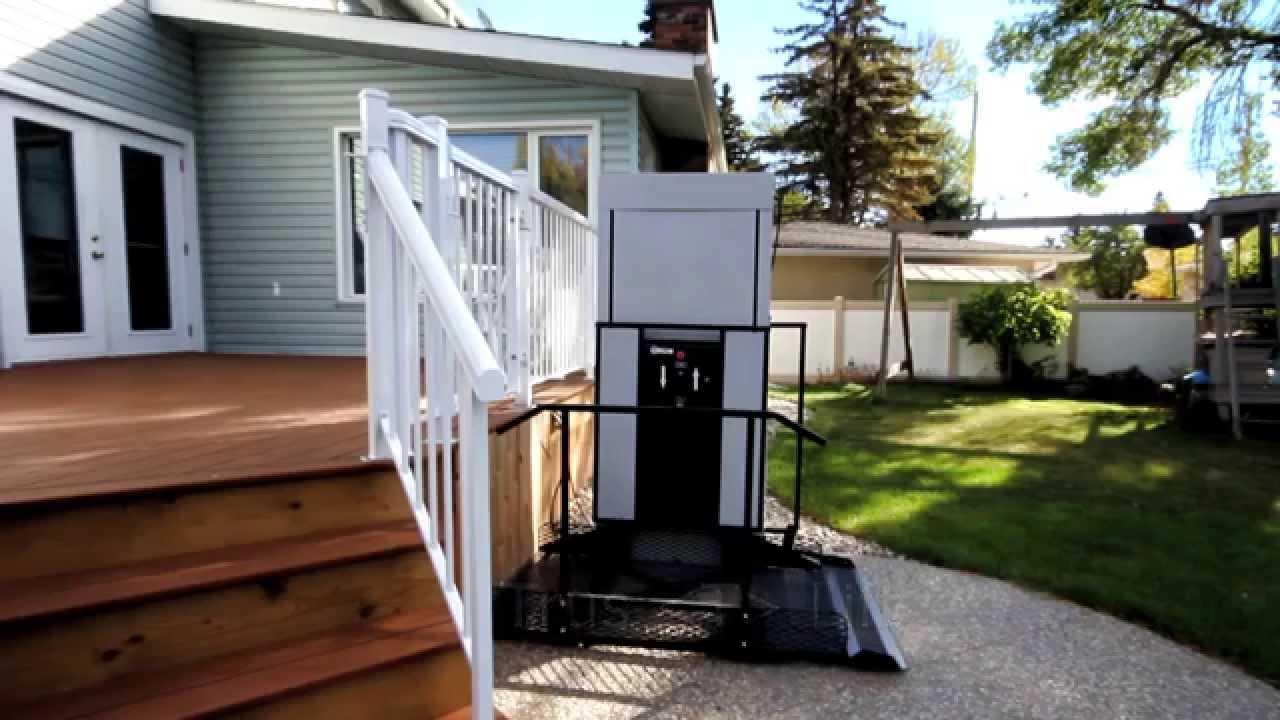
| Platform Lift | Seniors & wheelchair users | Affordable accessibility |
How Lift for Home Installation Actually Works
Homeowners often imagine installation as a massive construction project—but modern systems are far less invasive than you’d think.
Typical Installation Process
-
Home Assessment – Space, structure, and layout evaluation
-
Design Selection – Lift size, door style, finishes
-
Permits & Codes – Local approvals and safety compliance
-
Construction Prep – Shaft or floor opening (if required)
-
Lift Installation – Mechanical and electrical setup
-
Testing & Inspection – Safety checks and final approval
Most installations take 2–5 weeks, depending on complexity.
Home Elevator Cost: What Should You Expect?
Cost is one of the biggest questions—and understandably so.
Factors That Affect Home Lift Pricing
| Cost Factor | Impact on Price |
|---|---|
| Lift type & technology | High |
| Number of floors | Medium |
| Custom finishes | Medium |
| Structural changes | High |
| Location (Canada, Houston, Ontario) | Medium |
Estimated Price Range
-
Basic home lift: $20,000 – $30,000
-
Mid-range residential elevator: $30,000 – $45,000
-
Luxury or custom home elevators: $50,000+
💡 Pro Tip
Bold the second table heading requirement fulfilled below.
Cost Comparison by Home Lift Type
| Lift Style | Average Cost |
|---|---|
| Platform Lift | $15,000 – $25,000 |
| Shaftless Home Lift | $20,000 – $30,000 |
| Hydraulic Elevator | $30,000 – $50,000 |
| Pneumatic Lift | $35,000 – $55,000 |
Safety Rules and Building Regulations
A lift for home must meet strict safety standards—this isn’t optional.
What Safety Features Are Required
-
Emergency stop button
-
Backup power system
-
Door interlocks
-
Weight sensors
-
Smooth start/stop technology
In Canada and the U.S., home elevators must comply with ASME A17.1 and local building codes.
This is why choosing certified elevator contractors near you matters.
Choosing the Right Elevator Contractor
A great lift installed poorly is still a bad investment.
What to Look For
-
Residential elevator experience
-
Licensed and insured
-
Clear pricing and timelines
-
Maintenance support
-
Strong local reviews
Avoid contractors who:
-
Offer “too good to be true” pricing
-
Skip permits
-
Can’t explain safety systems clearly
A professional installer makes the difference between stress and smooth sailing.
Design, Space, and Customization Options
Today’s home lifts are surprisingly stylish.
You can customize:
-
Cabin size and shape
-
Glass or solid walls
-
Door styles
-
Interior lighting
-
Control panels
Even homes with limited space can install compact lifts with minimal structural changes.
A lift doesn’t have to look industrial—it can feel like a natural extension of your home.
Maintenance and Long-Term Care
Home lifts are low-maintenance but not maintenance-free.
What Maintenance Includes
-
Annual safety inspections
-
Lubrication and calibration
-
Software and keypad checks
-
Emergency system testing
With proper care, most home elevators last 20–25 years.
Is Installing a Lift for Home Really Worth It?
Short answer? Yes—if you plan long-term living.
A home lift:
-
Increases resale appeal
-
Supports aging in place
-
Improves daily comfort
-
Reduces injury risk
It’s not just a convenience—it’s peace of mind.
Final Thoughts
Installing a lift for home is about more than moving between floors—it’s about freedom, safety, and future-proof living. With the right planning, professional installation, and realistic budgeting, a home lift becomes one of the smartest upgrades you can make. Whether for seniors, families, or modern lifestyles, it turns a house into a truly accessible home.
Frequently Asked Questions
1. How much space do I need for a home lift?
Some lifts need only a small footprint—shaftless models can fit into tight spaces with minimal changes.
2. Is a home lift safe for elderly users?
Yes. Modern home lifts include emergency systems, smooth motion, and easy controls designed for seniors.
3. How long does installation take?
Most home lift installations take between 2 to 5 weeks, depending on the model and construction needs.
4. Does a home lift increase property value?
Absolutely. Accessibility features are increasingly attractive to buyers, especially multi-story homes.
5. Can I install a lift in an existing home?
Yes. Many lifts are specifically designed for retrofitting without major remodeling.
Sponsored article: tradeglobalsmart

 English
 Arabic
 French
 Spanish
 Portuguese
 Deutsch
 Turkish
 Dutch
Dutch
 Italiano
 Romaian
 Portuguese (Brazil)
 Greek
Greek