
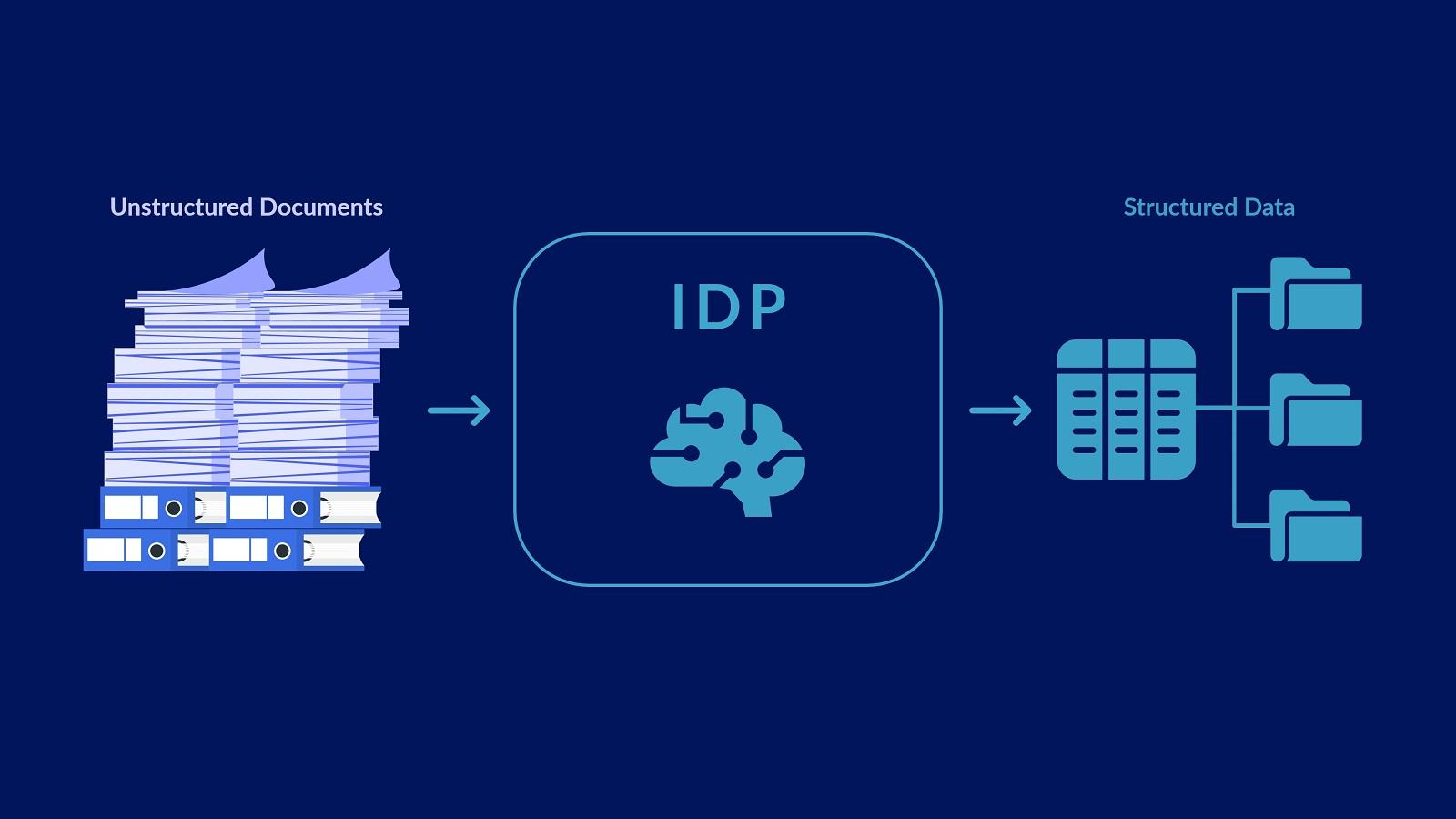
A focused Intelligent Document Processing Market Analysis shows that adoption is strongest where document volume is high and errors are costly. Organizations typically begin with repeatable documents like invoices, purchase orders, receipts, and standardized forms. These use cases offer clear ROI through reduced manual labor, faster turnaround, and improved accuracy. Market analysis also highlights that “last-mile” integration and exception handling drive real-world value more than raw OCR performance. The best-performing deployments combine extraction with validation rules, confidence thresholds, and structured review queues. In regulated industries, audit trails and traceability add another value layer, because organizations need to show how a value was captured and approved. As AI models improve, the addressable scope expands to more complex documents, but governance requirements also rise.
Use-case analysis often points to finance operations as the primary entry point. In accounts payable, IDP can match invoices against purchase orders and receiving records, accelerating approvals and reducing duplicate payments. In insurance, claims intake and supporting documents can be classified, summarized, and routed, decreasing cycle time and improving customer satisfaction. In healthcare administration, IDP supports prior authorization packets and patient documentation, though privacy controls are essential. In banking, IDP helps automate KYC, loan documentation, and compliance checks. Analysis also shows growing demand in logistics, where bills of lading, customs forms, and delivery confirmations must be processed quickly. These workflows share a common pattern: mixed document formats, time pressure, and a need to reconcile extracted data with internal systems.
ROI analysis depends on baseline process maturity and exception rates. Organizations should measure current manual effort, average handling time, error frequency, and the cost of rework. IDP improves metrics like straight-through processing, average processing time, and staff capacity. However, analysis emphasizes that accuracy claims must be tested on real samples, including low-quality scans and unusual templates. Another ROI factor is onboarding speed: how quickly the platform can learn a new vendor invoice or a new form type. Human-in-the-loop review reduces risk and enables continuous improvement, but it must be designed to be efficient and targeted. Model monitoring is crucial because document sources change over time. Without retraining and governance, performance can drift, eroding ROI.
Market analysis also highlights selection criteria that predict success. Integration strength, workflow orchestration, security, and usability often matter more than niche features. Buyers increasingly ask for explainability: highlight the source region for extracted fields and provide confidence scores. Multilingual support and handwriting recognition remain important in global operations. Over the next phase, analysis suggests more “document-to-decision” solutions that include summarization, entity resolution, and automated routing. Yet organizations will still need controls that ensure accountability, especially for financial and legal outcomes. Overall, market analysis indicates that IDP is shifting from a productivity tool to a core operational capability that supports compliance, customer experience, and scalable growth.
Top Trending Reports:

 English
 Arabic
 French
 Spanish
 Portuguese
 Turkish
 Dutch
Dutch
 Italiano
 Russian
 Romaian
 Portuguese (Brazil)
 Greek
Greek