
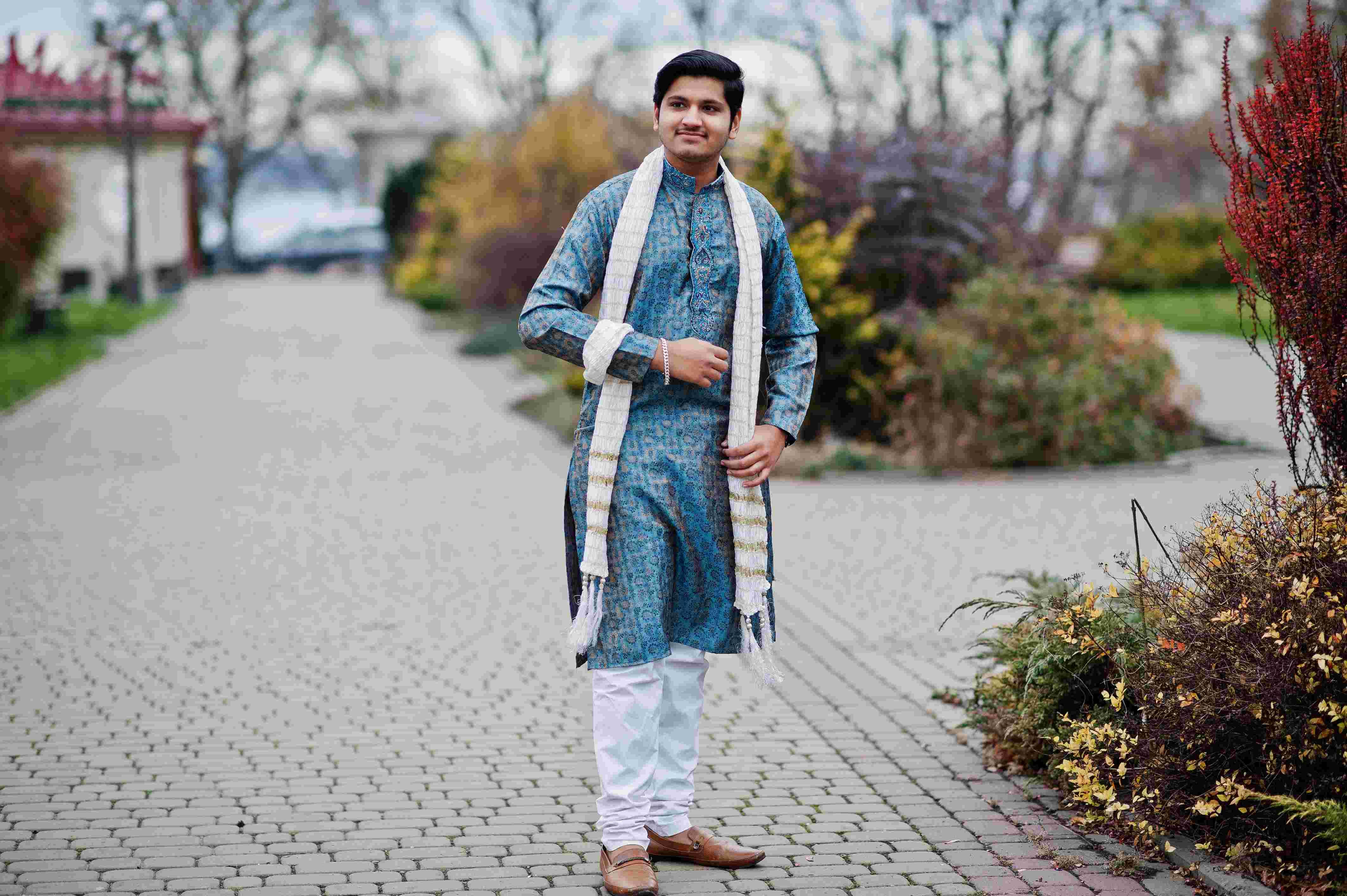
The evolution of men's traditional Indian formal wear has created garments that perfectly balance cultural heritage with contemporary styling sensibilities. These sophisticated ensembles have transcended their historical roots to become globally recognized symbols of elegance, worn with pride at weddings, festivals, and formal celebrations across the world.
The sherwani men have worn throughout history originated in the courts of medieval India, where nobility and royalty commissioned elaborate outfits that demonstrated their status and refinement. These long, coat-like garments typically extended to knee-length or below, featuring intricate embroidery, fine fabrics, and closures that ranged from simple hooks to ornate buttons. Over centuries, the basic silhouette has been refined while maintaining the dignified aesthetic that makes this garment instantly recognizable.
Modern interpretations of the classic design incorporate contemporary tailoring techniques that enhance fit and comfort without compromising traditional aesthetics. Today's versions feature structured shoulders, tapered waists, and improved construction methods that ensure the garment sits perfectly on various body types. The length varies from shorter, jacket-style versions ideal for less formal occasions to traditional longer styles perfect for weddings and ceremonial events. This versatility has expanded the garment's appeal beyond traditional contexts.
Fabric selection significantly influences the sherwani men choose for different occasions. Silk remains the premier choice for weddings and formal events, offering luxurious sheen and elegant drape. Brocade fabrics featuring woven patterns create textured richness without additional embellishment. Velvet sherwanis, particularly popular for winter weddings, provide regal opulence and excellent embroidery base. Lighter fabrics like cotton silk, linen blends, and jacquard suit warmer weather or less formal celebrations, ensuring comfort without sacrificing style.
The embellishment and embroidery work distinguish exceptional pieces from ordinary ones. Traditional techniques like zardozi (metallic embroidery), dabka (coiled wire work), and resham (silk thread embroidery) create intricate patterns on collars, cuffs, front panels, and hems. Contemporary designs might incorporate sequins, beads, stones, or crystal work for added sparkle. The density and complexity of embroidery vary with formality level—heavily embellished pieces suit grooms and wedding parties, while subtle embroidery works for festival wear or formal business events.
Color palettes for sherwani men wear have expanded dramatically beyond traditional whites and creams. While ivory and off-white remain popular for their versatility and traditional associations, modern men increasingly embrace colors like deep maroon, navy blue, emerald green, charcoal gray, and even black. Metallic shades—gold, bronze, and silver—create striking appearances for evening events. Pastel shades suit daytime functions, while jewel tones perfect evening celebrations. The chosen color should complement skin tone, coordinate with event aesthetics, and reflect personal style preferences.
The collar style significantly impacts overall appearance. The classic Nehru collar, standing upright without lapels, maintains traditional authenticity. The mandarin collar offers a similar upright style with subtle variations. Some modern designs incorporate modified collar styles that add contemporary flair while respecting traditional silhouettes. Cross-over closures, asymmetric fronts, or unique buttoning patterns differentiate individual pieces while maintaining the fundamental sherwani structure.
Styling options for sherwani men appreciate include several considerations that affect the complete look. Beneath the sherwani, traditional churidar (fitted pants gathered at the ankle) creates a classic combination, while straight-cut trousers offer modern sophistication. Pajamas provide comfortable, traditional pairing, particularly for longer sherwanis. Some men choose contrasting bottom-wear colors, creating interesting visual combinations that add personal style to traditional ensembles.
Accessories complete the look and allow individual expression within traditional frameworks. Stoles or dupattas draped over shoulders add color, texture, and ceremonial gravitas, particularly for grooms. Turbans, when culturally appropriate, create commanding presence and honor regional traditions. Footwear choices typically include traditional mojaris or juttis in matching or contrasting colors, though some modern contexts permit formal dress shoes. Jewelry remains subtle—perhaps a watch, ring, or brooch—allowing the garment itself to command attention.
The practical aspects of acquiring these garments involve decisions between ready-made, made-to-measure, and fully custom options. Ready-made sherwanis offer convenience and immediate availability, with sizing similar to Western suit sizing. Made-to-measure services take standard patterns adjusted to individual measurements, providing better fit than ready-made options. Fully custom sherwanis, designed specifically for the client with chosen fabrics, embellishments, and styling details, represent the premium option for those seeking perfect fit and unique designs.
Regional variations reflect India's cultural diversity, with different areas maintaining distinct styling preferences. North Indian sherwanis often feature heavier embellishment and longer lengths, while South Indian interpretations might incorporate local textile traditions and lighter fabrics. Pakistani sherwanis typically showcase elaborate embroidery and specific collar styles. Understanding these regional differences helps men make choices that honor their cultural heritage or adopt styles that resonate with personal aesthetics.
The occasion determines appropriate style choices. Grooms typically select heavily embellished, longer sherwanis in rich colors with coordinating stoles, creating maximum visual impact. Wedding guests choose less elaborate pieces that look distinguished without competing with the groom. Festival wear allows colorful, moderately embellished options that celebrate without excessive formality. Business or formal events suit subtle embroidery in conservative colors, demonstrating cultural pride while maintaining professional appropriateness.
Maintenance and care preserve these investments for years. Professional dry cleaning by specialists familiar with delicate embroidery ensures proper care. Storage in breathable garment bags protects against dust while preventing moisture buildup. Periodic airing prevents musty odors and maintains fabric freshness. Careful handling of embellished areas prevents damage to delicate thread work. Many men maintain multiple sherwanis for different occasions, reducing wear on individual pieces and expanding styling options.
The global appreciation for these traditional garments has grown significantly, with men of various cultural backgrounds embracing them for weddings and formal events. This cross-cultural adoption celebrates craftsmanship and aesthetic beauty while respecting the garment's cultural origins. International fashion weeks increasingly feature contemporary interpretations, introducing traditional silhouettes to new audiences and inspiring creative reinterpretations.
Contemporary designers continually innovate within traditional parameters, creating fusion pieces that appeal to modern sensibilities. Shorter lengths suit younger wearers and less formal occasions. Asymmetric cuts, unexpected color combinations, and contemporary embellishment techniques attract fashion-forward clients. Some designers incorporate Western tailoring elements, creating hybrid garments that function in both traditional and modern contexts. These innovations ensure continued relevance for younger generations while maintaining connections to cultural heritage.
The craftsmanship behind exceptional pieces represents collaborative artistry—master tailors, skilled embroiderers, and fabric specialists work together creating garments of lasting beauty. Understanding and appreciating this craftsmanship enhances the wearing experience, transforming the garment from mere clothing into wearable art that honors centuries of textile tradition.
Whether chosen for weddings, festivals, or formal celebrations, these magnificent garments allow men to embrace cultural heritage while expressing personal style, standing as sophisticated alternatives to Western formal wear that command respect and admiration in any setting.

 English
 Arabic
 Spanish
 Portuguese
 Deutsch
 Turkish
 Dutch
Dutch
 Italiano
 Russian
 Romaian
 Portuguese (Brazil)
 Greek
Greek